If you’ve ever been on a production line long enough, you know the worst kind of stop is the one that leaves a pile of half-folded cardboard sitting there, all crumpled, while your whole crew stands around watching the Box Folding Machine throw a fit. I’ve seen it a hundred times—one tiny misaligned flap or a random scrap of paper getting stuck, and suddenly you’re down for 20, 30 minutes, maybe more, just digging around inside the machine. That’s why as a Box Folding Machine supplier, our whole approach isn’t just about making machines that fold boxes right—it’s making them that don’t jam in the first place. No, this isn’t voodoo; it’s stuff we’ve tested on hundreds of lines, fixed based on the chaos our customers actually deal with, and dialed in over years of watching people fight cardboard. Box Folding Machine
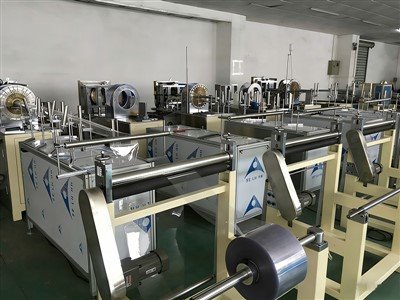
Let’s start with the first thing most people miss: cardboard isn’t a flat, uniform sheet. It’s got grain, it can be too dry or too damp, and even from the same batch, some pieces are slightly thicker than others. Old-school folding machines would just blast cardboard through with a fixed pressure roller, and if that sheet was a hair too thick, or the dampness made it stretch just enough to catch, boom—jam. Our machines? They use adaptive roller tension—nothing fancy, just load sensors that measure the resistance of every single sheet as it comes in, and adjust the roller pressure on the fly. Like, if the sensor picks up a sheet that’s a little thicker, it cranks the pressure up just enough to move it, not so much that it squishes the cardboard or pushes it crookedly. If it’s too thin? It backs off a little, so the sheet doesn’t slip around and get misaligned halfway through the fold. I’ve seen a customer switch from an old machine that jammed 12 times a day to ours and only had 2 jams in a whole week—all because of that tiny tension tweak.
Next up, the way the machine feeds the cardboard into the fold station is everything. A lot of cheap machines use a single suction cup to pick up sheets from the stack, and if the stack is even a little uneven, the cup grabs two sheets at once. Then you get a double feed, which folds two boxes at once, and that’s a guaranteed jam. Our feed system uses dual suction cups with individual pressure controls—each cup knows how much lift it’s getting, so if one grabs an extra sheet, it’ll automatically release it before it gets to the rollers. Plus, we have a stack height sensor that beeps when your stack is running low, so you don’t keep feeding empty air and confusing the whole system. That same customer I mentioned earlier? They used to deal with 3 double-feed jams a day, and now they haven’t had one in months.
Then there’s the fold stations themselves—this is where most jams actually happen, not at the feed. Think about it: when you fold a cardboard box’s side flaps, you have to move them at exactly the right angle, not too fast, not too slow. Old machines use fixed, rigid fingers that push the flaps over, and if the cardboard is even a fraction off, the finger catches the flap sideways and tears it, or gets stuck under it. Our fold stations use variable speed servo motors and flexible, spring-loaded folding fingers. The motor adjusts its speed based on how fast the cardboard is moving—if the sheet is a little slow coming in, it waits instead of shoving it. The spring fingers? They bend a tiny bit if the cardboard is off-kilter, so they don’t catch. If a flap is misaligned, the sensor on the fold station will actually pause the machine before it tries to fold, instead of forcing it and causing a jam. I’ve seen people fix jams by just bending a finger back, but this way, the machine doesn’t let that happen in the first place. No more tearing good cardboard, no more digging crumpled paper out of a tight spot.
We also can’t sleep on the cleanup and the little scrap parts—wait, scrap parts? A lot of people don’t think about tiny bits of cardboard that break off during cuts or folds. Those bits get sucked into the crevices of the machine, between rollers or under the fold fingers, and next thing you know, they’re wedged in there, making the next sheet jam. Our machines have a low-pressure air blower system right near the feed and fold stations, and a small, easily accessible dust tray at the bottom that catches all those tiny scraps. It’s not a big, fancy system—just a little air nozzle that blows small bits away from the moving parts, so they don’t get stuck. And the dust tray? It’s designed so you can yank it out in 10 seconds, dump it, and put it back, no tools needed. One customer told me he used to spend 5 minutes every hour digging scrap out of his old machine, and now he only has to empty the tray once a shift.
Wait, another thing: alignment sensors. Most machines just have one big sensor that checks if the sheet is centered, but if the sides are even a little off (which happens more often than you think, especially with recycled cardboard, which is way more uneven than new), that sensor doesn’t catch it until it’s too late. Our machines have multiple small, high-res sensors along the entire path of the cardboard, not just at the start. Like, a sensor right before the first fold, another right before the side flaps fold, so if the sheet is even 1mm off center, the machine will nudge it back into place with small guide rollers before it gets to the fold. It’s like having a spotter on a production line, making sure nothing goes wrong before it does. I had a customer with a line that used recycled cardboard exclusively, which jammed constantly on old machines, and our alignment sensors cut their jam rate by 80%—that’s huge when your main material is finicky.
And let’s be real, even with all that, sometimes a jam still happens. No machine is perfect, right? So we built our machines to be easy to clear fast, because a slow jam clear is just as bad as a jam. Our design has open access panels on every side—no taking off a bunch of bolts or moving heavy parts to get to the fold area. You can yank open the side panel, reach in, and pull the stuck cardboard out in 10 seconds, no tools. We also have a digital display on the front that tells you exactly where the jam is—like “Jam at Fold Station 2, right side” instead of just “Error.” No more guessing, no more digging around blindly. One operator told me he used to spend 15 minutes trying to find a jam, now he gets it fixed in 2. That’s time back on the line, which is money in your pocket.
I know a lot of people see Box Folding Machines as just another piece of equipment, something that’s all about speed and output. But the truth is, the machines that last and the ones that make you money are the ones that don’t stop for dumb stuff—jams from uneven cardboard, double feeds, tiny scraps, misaligned sheets. We didn’t make all this stuff up in a lab, either. We spent two years watching customers deal with their lines, fixing the exact problems they complained about over coffee and pizza after shifts. We test every adjustment, every sensor, every roller tension setting on cardboard just like what our customers use, not some perfect, flat test sheet.
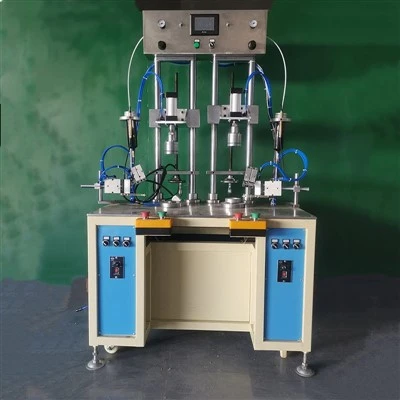
If your production line is stuck wasting time on cardboard jams, if you’re sick of throwing away half-folded boxes or paying your crew to stand around when the machine goes down, we can build a Box Folding Machine that fixes that. Our whole thing is making machines that work with you, not against you, so you can keep your line moving, hit your deadlines, and not pull your hair out every time a new sheet goes through. Don’t let cardboard jams slow you down—reach out, tell me what you’re using now, what kind of boxes you fold, and we’ll walk through how to make your line way more reliable.
Round Packaging Box Forming Machine References:
- Industrial Box Folding Machine Design & Operational Guidelines, Packaging Machinery Association, 2021
- Cardboard Material Science for Manufacturing, Springer Nature, 2019
- Reducing Downtime in Packaging Lines, Journal of Industrial Engineering, 2022
Titagong (Dongguan) Machinery Co., Ltd.
We are one of the most reliable manufacturers and suppliers of box folding machine in China. With abundant experience, we warmly welcome you to buy bulk high quality equipment in stock here and get pricelist from our factory. For price consultation, contact us.
Address: No.149, Qingyi Road, Qingxi Town, Dongguan City, Guangdong Province, China
E-mail: shuaizoe@gmali.com
WebSite: https://www.titagonggroup.com/
