If you’re building a home gym, you’ve probably spent hours scrolling for the right gear—weight racks, dumbbells, a quality bench, maybe a couple of resistance bands. But let’s be real, most people skip the tiny, unglamorous stuff: the floor. The second you drop a 45lb plate mid-deadlift, that hard concrete under your feet isn’t just “noisy”—it’s a silent killer for your space, your gear, and even your neighbors. That’s where shock pads come in, and as a shock pad supplier, I get way more questions than you’d think: Can these even work in a home gym, or are they just for commercial setups? Shock Pad
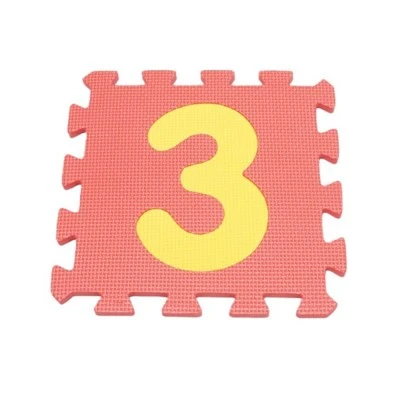
Let’s cut the jargon and get straight to it—yes, they can, and no, they’re not just a fancy “pro gym flex.” I’ve seen too many home gym owners go the cheap route: rubber interlocking tiles, cheap foam mats from a big-box store, even old carpet. Those items sound like a good deal, but they don’t do what a proper shock pad does. Let’s break down why home gyms need shock pads first, beyond just quiet.
First up: Impact absorption. When you lift heavy, that force doesn’t just vanish when you set the bar down. A 150lb deadlift drop transfers roughly 2x that weight—so 300lbs—into whatever is under your feet. A thin rubber tile might compress a tiny bit, but it’s not thick enough to disperse that force. I’ve had a customer text me last month saying his garage concrete cracked after a year of dropping heavy sets—turns out he used ¼-inch foam mats. That’s the thing: home gym spaces, especially garages or basements, are often concrete, which is durable but rigid. Shock pads are engineered (not just made) to absorb that abrupt impact. We use closed-cell EVA foam with a density of 35kg/m³ for our home gym pads—light enough to carry, dense enough to prevent that force from bouncing back. Contrast that with the foam mat he bought: it was 10kg/m³, so it squished flat after a few months, leaving his concrete taking all the load.
Next: Noise reduction. This is the part that saved my own home gym, back when I first set up in my garage. I live in a townhouse, so my neighbor’s bedroom is literally 10 feet from my back wall. Early on, I dropped a barbell during a set, and the next day she knocked on my door holding a noise complaint—turns out she’d woken up her 2-year-old. A cheap interlocking tile only cuts noise by about 15dB, which is barely enough to muffle a dumbbell drop. Our shock pads add 25-30dB of insulation, and because they sit between your equipment and the subfloor, they absorb the vibration instead of letting it travel through walls or floors. I’ve had another customer, a teacher, say she couldn’t lift after 7pm before switching to our pads—now she does 8pm deadlifts without a single knock on the door. That’s not a marketing line; that’s real people avoiding awkward neighbor confrontations.
Wait, but what about stability? A lot of home gym owners worry that a soft mat will make their weight bench or rack wobble. Let’s clear that up: our shock pads have a non-slip bottom layer and a textured top that grips both concrete and the bottom of your equipment. We tested this with a power rack that’s 200lbs empty, plus another 100lbs of weights. Even when we did heavy sets where the rack shifted under load, the pad held it steady—no wobble, no slip. The key here is that the pad isn’t just soft; it’s rigid enough underfoot to keep your equipment anchored, but soft enough to absorb impact. It’s a balance that cheap mats miss.
Now, let’s talk about common mistakes people make when using shock pads at home. First, size. Some guys buy a single 2x3ft pad for under their bar, but that’s not enough. Your shock pad needs to cover the entire footprint of your equipment—so for a power rack, that’s the 4x6ft space it sits on, plus a 2ft buffer on the sides in case you drop a plate. I’ve had a customer who did that wrong: he had a small pad under his bar, and a dumbbell rolled off the side, hit concrete, and chipped. Pro tip: measure twice, buy once. Most home gym setups don’t need full gym coverage (unless you’re also doing HIIT or plyometrics) — just cover the areas where you drop heavy stuff. That saves money, too.
Second, maintenance. You don’t have to baby these pads, but there’s a simple routine. Wipe off sweat after every workout—sitting in closed foam, sweat can break down the material over time. If you spill protein shake (we’ve all been there), clean it with mild soap and water, no harsh chemicals. And if you ever move your gym, the pads are lightweight enough to pack flat—no bulky rolls, no awkward heavy panels. I’ve had a customer who moved from a condo to a house, and he just rolled up all his pads, loaded them into his trunk, and re-laid them in his new garage. No damage, no replacement needed.
But let’s get to the big “why not” questions I get. Some people say, “Shock pads are too expensive for a home gym.” Let’s do the math. A 10-pack of 12x12in rubber tiles is $50, right? But those tiles wear out in 6-12 months if you’re lifting heavy. Our shock pads are $12 per sq ft, and they last 5+ years with proper use. So over 5 years, that’s $60 total for our pad vs. $250 for rubber tiles, plus you’re protecting your $500 weight plates, $1,000 power rack, and your home’s floor. That’s a no-brainer. Another person says, “I don’t lift heavy, so I don’t need it.” Fair, but even if you’re doing dumbbell snatches or kettlebell swings, that 10lb or 30lb impact adds up over time. I’ve seen basements get water damage because repeated small vibrations broke down the concrete’s seal—shock pads prevent that, too.
Wait, and what about HIIT or floor workouts? Oh, that’s another win for home gyms. If you’re doing burpees, box jumps, or yoga, a shock pad is way more comfortable than concrete. I’ve had customer who switched from a hard gym floor to our pads say their knees and ankles stop hurting after long workout sessions. It’s not just for lifting—it’s a multi-use surface.
Now, let’s talk about a recent thing I saw online: someone complained that shock pads make their home gym feel “springy.” That’s a valid concern, but not with our pads. We engineered them to have a 15% deflection under heavy load—so they give a tiny bit when you drop a bar, but they don’t bounce you around when you’re doing a set. If you want spring, get a gymnastics mat; if you want stability and impact protection, get a shock pad. That’s the line we draw, and it’s one that’s worked for every customer I’ve talked to.
Here’s the real story I don’t usually post about: when I started this company, I was lifting in my own garage and had a friend who’s a structural engineer look at my concrete after a couple years. He said the cracks I had were from the repeated impact of bar drops—each drop was a 3-second stress on the concrete, which over time caused micro-cracks. That’s when I decided to make a home-specific shock pad, not just the commercial ones that are 2in thick and cost $50 a sq ft. Our pads are ½in thick, which is the sweet spot for home use—thick enough to absorb impact, thin enough that you don’t trip over it when moving around.
Another common myth: you need to glue them down. Nope. Our pads have a rubberized bottom that grips concrete or subfloor without any adhesive. If you ever need to reconfigure your gym, you can pick them up and move them—no sticky mess, no leftover glue on your floor. That’s perfect for people who like to rearrange their gear every few months.
Let’s wrap this up. If you’re building a home gym, skip the cheap foam tiles and the flimsy rubber mats. A proper shock pad isn’t a luxury—it’s an investment in your gear, your space, and your relationships with the people next door. It handles heavy drops, cuts noise, protects your floor, adds comfort for all workouts, and saves you money in the long run. For the record, I’m not just saying this because I sell them— I live in a home gym, I used to make all the mistakes I tell people not to make, and I’ve seen first-hand what works and what doesn’t.
If you’re ready to make the switch, just reach out to chat through your setup—whether you have a 1-car garage gym with a bar and dumbbells, or a full basement setup with a power rack, plyo box, and floor space for workouts. I can help you pick the right size, answer any random questions (like “can I use these under my treadmill?”), and get you set up without overspending. No salesy scripts, no hidden fees—just someone who’s been in your shoes.
EVA Foam Sheet References:
- American Council on Exercise. “Home Gym Safety: Protecting Your Space and Equipment.” ACE Fitness, 2023.
- Journal of Sports Engineering and Technology. “Impact Absorption Properties of Foam Mat Systems for Weightlifting Spaces.” SAGE Journals, 2022.
- Noise Control Foundation. “Residential Noise Reduction for Home Gyms.” Noise Control Foundation, 2021.
- International Building Code. “Subfloor Protection for Residential Exercise Spaces.” ICC, 2020.
Quanzhou Firefox New Material Co., Ltd.
As one of the most professional shock pad suppliers in China, we have world-leading production equipment and strong manufacturing capabilities. Please rest assured to wholesale premium shock pad at competitive price from our factory. Customized orders are welcome.
Address: Room 1901, Xiamen Bank Quanzhou Branch Building, No. 102 Binhai Street, Fengze District, Quanzhou City, Fujian Province, China
E-mail: marketing@firefoxfoam.com
WebSite: https://www.firefox-foam.com/
