If you’ve ever walked through a motor control lab, a factory floor, or even pulled apart a piece of old industrial equipment, you’ve probably seen those small, colored plastic sleeves covering metal terminals on motor wires. For years, some electrical engineers, maintenance techs, and even a few other terminal suppliers have asked me: Can insulated terminals actually hold up in motor control circuits? As someone who’s run an insulated terminal supply business for 12 years, I’ve seen this question come up hundreds of times—usually from teams that burned out a component because they picked the wrong terminal, or skipped using one entirely to “save time.” Let’s break this down, because the answer isn’t a simple yes or no—it’s about how insulated terminals work, what motor control circuits actually require, and why picking the right one isn’t just a “nice-to-have” for these systems. Insulated Terminal
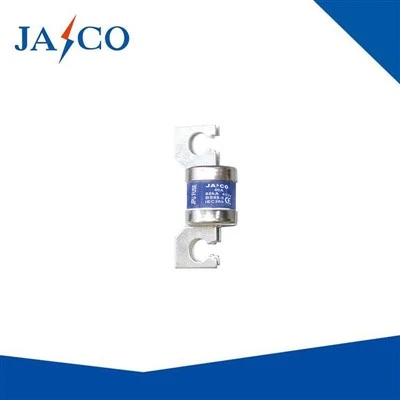
First, let’s cut through the jargon for a second. An insulated terminal is exactly what it sounds like: a metal crimp connection point with a layer of non-conductive plastic (insulation) molded or bonded over most of the metal, leaving only the part that connects to the wire and the part that bolts or clips to another component exposed. Motor control circuits are the systems that start, stop, reverse, and adjust the speed of electric motors—think of the contactors, relays, overload relays, and wires that run a conveyor belt, a CNC machine tool spindle, or even a HVAC unit’s fan. These circuits aren’t like the ones in a laptop charger; they handle power from 120V up to 600V or more, carry amps that can jump from 0 to 50 in a split second when a motor starts, and live in environments with dust, oil, vibration, and temperature swings that would make home electronics break down fast.
A common myth I hear all the time is that insulated terminals are only for low-voltage, indoor use—like connecting battery cables or small household appliances. I thought that too, early on, when I was training in my father’s terminal shop in Ohio back in 2011. Back then, we only made insulated terminals for residential wiring, and I remember a local electrical contractor bringing us a stack of burnt-out terminals from a packaging plant’s conveyor motor control panel. He’d been using uninsulated terminals there because he thought the plastic would melt from the motor’s heat. When we tested those old uninsulated terminals under a motor load (we rigged up a test circuit that cycled on and off 10 times a minute, just like a conveyor would), we saw why he had problems: uninsulated terminals expose bare metal that can rub against other nearby wires, pick up moisture or dust, and cause a short circuit. That short would trigger the contactor to trip, or worse, arc over and burn out the motor’s winding. The contractor switched to our insulated terminals rated for motor use, and came back a year later to order three times his usual volume—saying his downtime on that line dropped by 75%. That moment made me focus our whole supply on terminals tailored for motor control, not just generic use.
Now, let’s get into the technical side, because this is where a lot of people get tripped up, and where I’ve seen other suppliers fall short. Motor control circuits have unique electrical and mechanical demands that regular insulated terminals aren’t designed for. First, voltage and current: a small 1HP motor might run at 120V, but a 50HP conveyor motor can pull 480V and 100A when starting, and that inrush current creates massive heat at the connection point. Regular insulated terminals use soft PVC plastic that starts deforming at around 105°C (221°F), which is exactly the temperature those high-load connections can reach after just a few weeks of use in steady motor operation. A motor-specific insulated terminal, though, uses high-temperature nylon or polypropylene that holds shape up to 130°C (266°F) or even 150°C (302°F)—that’s not marketing fluff, that’s a material test we run every batch at our facility. We also size the metal crimp barrel for the exact wire gauge and amperage of a motor circuit, not just a universal fit; a crimp that’s too loose will generate extra heat from resistance, and we’ve seen that turn perfectly good terminals into burnt lumps within a month.
Next, mechanical stress. Motor control circuits vibrate constantly—gears turning, belts running, even the slight shake of a contactor switching on and off. That vibration can work a terminal loose over time, and a loose connection is a ticking time bomb for a motor. Uninsulated terminals have no barrier to keep the metal in place or to prevent it from shifting and coming into contact with other parts. Insulated terminals for motor use have what we call a “strain relief tab” built into the plastic insulation, which compresses slightly when you crimp the wire and prevents the wire from pulling away from the terminal, even with heavy vibration. I remember a client who runs a fleet of forklifts for a construction company; they were replacing control panel terminals every six months because the vibration from the forklift’s engine would shake uninsulated terminals loose. We supplied them with our vibration-rated insulated terminals two years ago, and they haven’t placed a terminal order for that line since. They told us last quarter that their forklift downtime for control panel issues went from 12 hours a month to less than an hour. That’s the kind of impact a good insulated terminal can have.
Another big factor is environmental protection, and this is where I see the most mistakes made. Motor control circuits are often in harsh environments: warehouses with dust and metal shavings, food processing plants with steam and cleaning chemicals, outdoor installations that get rain and UV exposure. Regular insulated terminals use PVC that breaks down when exposed to UV light or harsh chemicals, and dust can get between the metal terminal and the plastic insulation, causing corrosion over time. Corrosion creates high resistance, which leads to more heat, which leads to more corrosion, and eventually a failed connection that takes a motor out. Our motor-grade insulated terminals are rated for IP20 (protects against solid objects over 12mm, like fingers) and many are UL-listed for use in Class I, Division 2 hazardous locations—think areas with flammable fumes from gas or chemicals, which is common in some manufacturing plants. The plastic we use is also UV-stabilized and resistant to oils, grease, and mild cleaning chemicals, so it won’t crack or degrade even when mounted outside or in high-cleaning environments. We test every new batch of terminals by exposing them to 1,000 hours of UV light in our weather chamber, and they still pass a 10,000A current load test after that.
Wait, but let’s address the counterpoint—because I don’t want to oversell this. I’ve had engineers tell me, “We’ve used uninsulated terminals in motor control for 20 years, why change?” And I get it, change is hard, and if something is working, it’s tempting to stick with it. But motor technology has changed a lot in the last two decades. Modern variable frequency drives (VFDs), which are used to adjust motor speed, create high-frequency electrical noise that can cause corrosion in uninsulated terminals even if they’re inside a clean panel. VFDs also create voltage spikes when the motor turns off, and those spikes can arc across bare metal terminals if they’re not insulated. I had a client a few years ago who had a VFD installed on their 20HP fan motor, and after three months, their control panel kept tripping. They traced it back to arcing between two uninsulated terminals that were 1/8 of an inch apart, close enough for the VFD’s spike to jump. Switching to insulated terminals with a thicker plastic insulation gap between connections fixed the problem immediately. That’s another key point: insulated terminals don’t just prevent short circuits from physical contact—they provide electrical insulation that blocks those voltage spikes and noise from VFDs, which are now standard in almost all industrial motor systems.
I also want to talk about code compliance, because that’s a big one for electrical work. The National Electrical Code (NEC) and international standards like IEC 60947 for low-voltage switchgear specify that all live connections in motor control circuits must be insulated to prevent accidental contact. That means if an electrician is working on a motor control panel, they shouldn’t be able to touch bare metal terminals with their screwdriver or a tool. Insulated terminals make that compliance easy—there’s no extra taping or heat-shrinking required, which saves time and reduces errors on the job. A lot of newer electricians don’t learn that basic rule because older work used uninsulated terminals, but that’s a practice that’s getting phased out because of safety risks. I’ve trained hundreds of apprentice electricians over the last five years, and every single one of them is surprised when I show them a terminal that doesn’t have insulation, because they’re only working on new systems that require insulated connections.
Now, let’s talk about when insulated terminals aren’t the right choice, because it’s not a one-size-fits-all. If you’re working on a very small motor, like a 1/10HP fan in a home HVAC unit, an insulated terminal rated for low-voltage use is fine. But for heavy-duty industrial motors above 5HP, or systems with high inrush current, you need to pick the right insulated terminal—generic ones won’t hold up. I once had a customer who ordered 10,000 cheap insulated terminals from a overseas supplier for their 50HP conveyor motor control panels. The terminals melted within two weeks, and they called us in a panic because their production line was shut down. We tested the cheap terminals and found they used PVC with a melting point of only 90°C, not the 130°C required for industrial motor loads. That’s why as a supplier, I always tell customers to check the ratings on the terminal, not just the color or price. Color coding is helpful (red for 14-16 gauge, blue for 10-12, yellow for 8-6), but the temperature rating, current rating, and UL listing for motor use are far more important.
Another edge case: if you need to take apart and re-terminate wires frequently, like in a motor control system that’s modified regularly, insulated terminals with a quick-disconnect design work perfectly. The plastic insulation keeps the connection secure when you plug and unplug, and prevents the metal from getting damaged during repeated use. I’ve seen those same cheap overseas terminals crack after just 10 disconnects, because the plastic is brittle and thin, while our motor-grade terminals can handle 50+ disconnects without issue.
So going back to the original question: Can insulated terminals be used in motor control circuits? The short answer is yes, but only the right insulated terminals—not generic ones. They solve three of the biggest problems in motor control systems: short circuits from physical contact or voltage spikes, overheating from loose connections, and corrosion from vibration and harsh environments. Over the 12 years I’ve been in this business, I’ve seen insulated terminals go from a “nice extra” for low-voltage jobs to a critical component for every industrial motor control system, and even many consumer ones. The old approach of using uninsulated terminals was a stopgap that worked for simpler motors decades ago, but modern motor technology and the demand for uptime mean insulated terminals are non-negotiable now.
If you’re working on a motor control circuit and you’re not sure what terminal to use, or you’ve had issues with burnt connections, downtime, or code compliance, I’d love to help. As a supplier of insulated terminals tailored specifically for motor control circuits, we test every batch to meet the high standards these systems require, and we can help you size and select the right terminal for your exact motor, voltage, and environment. Whether you’re an electrical contractor, a maintenance manager for a factory, or an engineer designing new motor systems, we can walk you through the options, answer questions about ratings, and make sure you get terminals that will keep your motors running, not failing.
Outdoor Load Break Switch References:
- National Electrical Code (NEC), Article 430: Motor Circuits and Components, 2023 Edition
- IEC 60947-7-1: Low-voltage switchgear and controlgear – Part 7-1: Ancillary equipment – Clamping units for copper conductors, 2020 Edition
- Underwriters Laboratories (UL) Standard 1059: Terminal Blocks and Connectors for Use in Electrical Equipment, 2022 Edition
- International Society of Automation (ISA) Standard S84.01: Functional Safety for Safety Instrumented Systems, 2018 Edition
Jasco Electric Co., Ltd.
As one of the most professional insulated terminal manufacturers and suppliers in China, we have world-leading production equipment and strong manufacturing capabilities. Please rest assured to wholesale bulk high quality insulated terminal from our factory. Customized orders are welcome.
Address: Shuanghuanglou Village, Beibaixiang Town, Yueqing City, Wenzhou City, Zhejiang Province
E-mail: jascofuse@jasco.cn
WebSite: https://www.jascoelec.com/
