If you’re running a machine shop, woodworking studio, or even a small-scale metal fabrication spot, chances are you’ve already worked with a lathe—those machines that spin your workpiece so you can shape, cut, or sand it into something precise. Now, if you’ve ever struggled to hold small, irregular, or delicate parts steady while they spin, you’ve probably heard of a collet chuck. I’m the guy behind a lathe supply company, so I see this all the time: folks either wing collet chucks because they think they’re too “fancy” for their shop, or they mess up the setup so bad their parts slip, get marred, or even cause a tiny safety hiccup. Today, I’m breaking down exactly how to use a collet chuck on a lathe—no jargon, no fluff, just what I teach my customers every day. Lathe
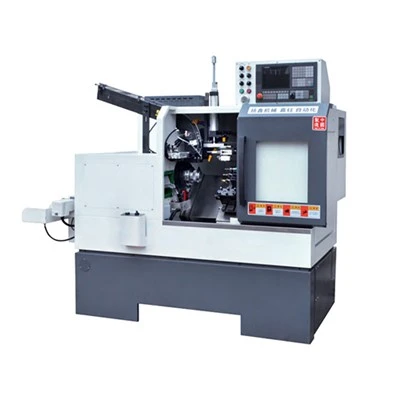
First off, let’s keep this simple: what even is a collet chuck, and why should you care vs. the old three-jaw chuck you probably know? A three-jaw chuck is great for round, sturdy stock, but it’s made for larger parts, and it only clamps at three points. If you’re turning something small—like a brass pen barrel end, a tiny aluminum gear blank, or a wooden craft spindle with a slightly irregular shape—a collet chuck is your ride. It’s a split, spring-loaded sleeve that closes evenly around your workpiece, so contact points are everywhere, not just three. That means no dents on your soft materials (brass, plastic, thin wood), less slippage, and way more consistent precision. We sell a ton of these because they solve headaches our customers can’t fix with standard chucks.
Now, before you even touch the collet or lathe, let’s get the pre-setup stuff right. I’ve seen guys skip this and end up with a ruined part, so don’t rush it. First, match the collet size to your workpiece. Collets come in standard sizes—for example, if your stock is 10mm, you need a 10mm collet, not a 9mm or 11mm. If you force a wrong size, it’ll crack the collet or not clamp tight, and that’s a waste of money (we sell replacements, but we’d rather not see that happen). Also, check your collet for wear: look for splits, scratches, or any part that doesn’t look smooth. A beat-up collet won’t close evenly, so even if you match the size, your part will slip. Same goes for the lathe’s spindle nose: wipe it clean of any metal shavings, oil, or old debris. Tiny bits in there throw off alignment, so grab a rag and give it a quick wipe before you do anything else.
Next, mounting the collet and chuck body to your lathe. Most collet chucks have two parts: the collet itself, and the chuck body (sometimes called the drawtube assembly) that screws onto the lathe’s spindle. Here’s the step I see people mess up: don’t just thread the chuck body on by hand and crank it. Line up the keyway on the chuck body with the pin on the spindle—this keeps the whole thing from spinning freely when you don’t want it to. Once it’s aligned, hand-tighten the chuck body, then use a chuck key (or the lathe’s spindle lock) to give it a quarter turn extra. Don’t over-tighten—you can strip the threads, and that’s a big repair cost. Now, the collet goes inside the chuck body: stick the split end first into the chuck, and make sure the flared end (the part that closes when you tighten the drawbar) is facing out, not in. That’s a small detail, but flip it around and you’ll never get it to clamp right.
Now, putting your workpiece into the collet. This is another spot people rush. First, measure the length of your workpiece that’s going inside the collet. Rule of thumb: the part inside needs to be at least the diameter of the workpiece. So if your stock is 10mm, you need at least 10mm inside the collet—any less, and it’ll tip or slip. For example, if you’re turning a 10mm brass rod, push it all the way in until it stops against the back of the collet’s inner shoulder. Don’t leave it sticking out a tiny bit—if you do, the collet will only clamp on the edge, not the whole part, and that’s how you get a marred finish.
Once the workpiece is seated, it’s time to close the collet. This is where the drawbar comes in—most collet chucks use a long drawbar that you thread through the headstock of the lathe. If your lathe has a collet closer (some of our mid-range lathes come with these, by the way), you just pull it back, insert the drawbar, and squeeze it to close. If you have a manual drawbar (no fancy closer), you’ll need a drawbar wrench or a solid metal rod to turn it. Here’s the key: don’t crank it as hard as you can. Tighten it until the collet is closed firmly around the workpiece, then give it one small turn more. Over-tightening will deform soft materials like plastic or thin wood, and it’ll make it a nightmare to take the collet off later. I’ve seen a customer last year who bent a tiny aluminum spindle so bad he had to scrap the whole part because he cranked the drawbar too hard—don’t be that guy.
Now, a quick safety check before you hit the start button. Spin the lathe by hand (most have a handwheel on the headstock) to make sure the workpiece doesn’t wobble. If it does, stop immediately—you either have the wrong collet size, the workpiece isn’t seated all the way, or the collet is worn out. Wobble is bad because it can cause the part to fly off, or damage the lathe. Also, double-check that the drawbar is tight—you don’t want it to come loose mid-turn and send your workpiece flying across the shop. I always tell new customers: safety first, even if you’re just turning a small part.
Once you’re done turning, removing the workpiece and collet is just as important as the setup. Don’t just yank the drawbar out—if it’s tight, you might bend or scratch the collet. Instead, loosen the drawbar just enough that the collet expands a little, then you can either pull the workpiece out by hand, or use a small brass punch to tap the back of the collet (never use a steel punch—you’ll dent the collet). If the collet is stuck, don’t force it—gently tap the side of the chuck body with a mallet, and it’ll loosen. Also, wipe the collet and chuck body clean before storing them—metal shavings left inside will scratch the next workpiece, and grime can make future setups way harder.
Wait, a few pro tips I picked up from years of selling lathes and talking to shop owners, because these make a huge difference. First, keep collets organized. We sell little labeled bins for collets—mark each bin with the size, so you don’t have to dig through a pile looking for a 8mm collet. Second, for soft materials (wood, brass), use a split mandrel if you’re turning hollow parts. It’s a small metal pin that fits inside the collet, so you don’t deform the outer diameter. Third, if you’re working with non-round stock (like hex bar for a small bolt), there are special collets for that—standard round collets won’t close evenly, so don’t try to force a round one on hex stock.
Now, let’s address the mistakes I see all the time, because these are the things that trip people up. First, using a collet that’s the wrong size. I can’t stress this enough—even a 0.5mm difference means the collet won’t close all the way, so your part slips. Second, not seating the workpiece deep enough. I mentioned this earlier, but it bears repeating: if your workpiece is only 5mm diameter and you push it 3mm into the collet, it’ll wobble. Third, over-tightening the drawbar. It’s a common reflex—when something slips, you crank it—but for collets, that’s a fast way to ruin parts and tools. Fourth, not cleaning the spindle or collet before setup. Even a single metal shaving the size of a grain of sand can throw off alignment, leading to a ruined part or a safety issue.
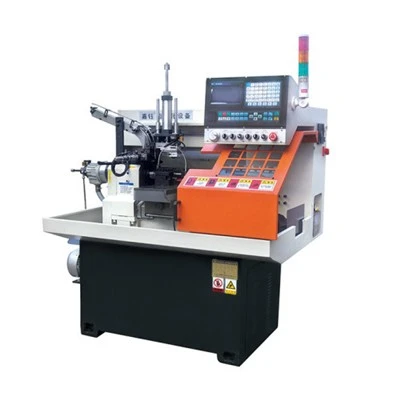
At the end of the day, a collet chuck is one of the most useful tools you can add to your lathe setup. It’s fast, precise, and way better than a three-jaw for small, delicate parts. But it only works if you use it right. If you’re still on the fence about adding a collet chuck to your lathe, or you have questions about which size or type is best for your shop, hit us up to talk through your needs. We’re here to help you get the right setup, avoid the mistakes that waste time and money, and make your lathe work better for you. Whether you’re a hobbyist with a small home shop or a production shop turning dozens of parts a day, we’ve got the gear and advice to fit. Don’t guess, don’t wing it—let’s make your lathe work for you.
Horizontal Machining Center References
- Machinery’s Handbook. Industrial Press, 2020.
- Lathe Accessories: A Practical Guide. Woodworkers Institute, 2022.
- Safety Standards for Machine Shop Equipment. Occupational Safety and Health Administration, 2021.
- Collet Chuck Operation and Maintenance. Manufacturing Engineer’s Association, 2023.
Taizhou Qiyang Trading Co., Ltd.
As one of the most professional lathe manufacturers and suppliers in China, we’re featured by quality products and good price. Please rest assured to buy bulk lathe for sale here and get quotation from our factory. Customized orders are welcome.
Address: Zhenhai Village, Binhai Town, Wenling City, Taizhou City, Zhejiang Province
E-mail: qycncmachine@outlook.com
WebSite: https://www.qycncmachine.com/
