Hey everyone, it’s Jake from the stainless steel water meter team here, and if you’ve been in the water utility game for more than, like, two minutes, you know smart meters aren’t just a cool buzzword anymore. They cut down on billing errors, reduce water waste, and make your whole operation run way smoother—no more trekking out to read meters in the rain or chasing down high bills that make customers mad. But here’s the thing: if you already own a solid stainless steel water meter (the kind that’s built like a tank, works for decades, and costs way less than replacing the whole unit), do you really need to toss it all out just to go smart? Hell no. I’m gonna walk you through exactly how to upgrade your existing stainless steel water meter to a smart one, no fancy engineering degree required—plus, why sticking with your current stainless steel setup is actually a way better move than full replacement. Stainless Steel Water Meter
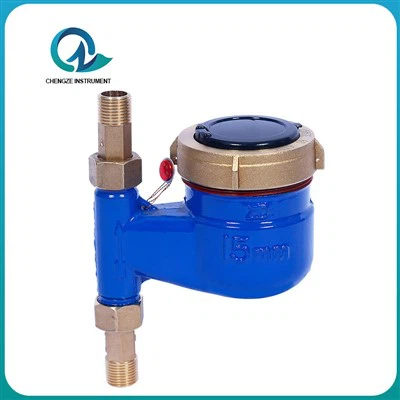
First off, let’s get one thing straight: stainless steel water meters are the unsung heroes of utility infrastructure. They’re corrosion-resistant, hold up in extreme temps, last 20+ years if you take care of them, and way more durable than those cheap plastic or brass units that crack after a few seasons. But old-school meters have a big flaw: they rely on manual reads. A lot of our clients come to us saying, “Our current meter’s still ticking perfect, but we need smart functionality for our city’s new conservation targets.” The upgrade process isn’t about ripping out your whole meter—it’s adding a smart module that attaches right to the existing mechanical parts. That’s the sweet spot, and it saves you 60-70% of the cost of a full replacement, no joke.
Let’s break this down step by step, because I don’t like skipping details (I’ve seen too many people mess up installs by rushing). First, you gotta figure out what kind of existing stainless steel water meter you have, because not every module fits every model. Our team at the supply company has a quick lookup tool on our site (no links, just ask us) that matches our smart modules to all the top stainless steel meter brands, and we’ve even got adapters for oddball models from 10+ years ago. The key here is checking two things: the meter’s pulse output and the size of the register (the part that displays the flow numbers). Most residential and commercial stainless steel meters have a 1-inch or 1.5-inch register, which is the most common, but if you’ve got a larger industrial unit, just shoot us a pic of the register and we’ll hook you up with the right adapter.
Next, pick your smart module type, because there’s a few options depending on your needs. Let’s keep this real—no overcomplicating it. First, there’s the basic pulse-based module. This one’s perfect if you just want automated reads, no extra frills. It clips onto the register, counts the pulses from the mechanical wheel inside your stainless steel meter, and sends that data to your utility platform. It works with all major AMI (Advanced Metering Infrastructure) and AMR (Automated Meter Reading) systems, so you don’t have to switch your whole software. The other option is a cellular-enabled module. This is for people who don’t want to rely on a separate AMR network—just pop in a tiny SIM card (we include it, or you can use your existing plan) and it sends data straight to your phone or dashboard, no extra hardware needed. We’ve got both options, and the cellular one is super popular with small towns and property managers who hate dealing with network hoops.
Now, the install part—this is where a lot of folks get nervous, but it’s actually way easier than you think. Let’s walk through it like you’re doing it this afternoon. First, turn off the water supply to the meter (obvi, you don’t want a flood). Next, remove the register cover from your stainless steel water meter—most just twist or snap off, no tools needed, except maybe a small screwdriver for old models. Then, take your smart module and align it with the pulse sensor spot on the register. Most modules are magnetic, so they snap right into place without glue or extra parts. Wait, hold on—pro tip: make sure the module’s sensor is lined up with the register’s moving wheel, otherwise you’ll get wonky reads. We include a quick alignment sticker in every kit, so you don’t have to guess. Once it’s clicked on, put the register cover back, turn the water back on, and do a quick test flow—run a bucket through the line and check that the module is sending data within 10 minutes. If it’s not? Our team is on call 7 days a week to walk you through it, no long hold times, promise.
Wait, but what about battery life or durability? I get this question all the time. Our smart modules are built to match the stainless steel meter’s toughness—weatherproof, rust-resistant, works in temps from -40°F to 140°F, so they can take snow, heat, rain, whatever. The cellular ones have a 10-year battery life, no need to swap it every year, and the pulse ones last even longer. And they’re designed to stay put—no theft, because they lock into the register (we include a tiny security screw if you’re in a high-theft area) and the module’s casing is tamper-proof. Unlike those cheap smart modules that fall off after a year, these are made to last as long as your stainless steel meter, which is why our clients come back to us for repeat upgrades.
Now, let’s talk about why upgrading vs. replacing is the smarter move, specifically if you’re working with stainless steel units. First, cost like I said earlier—full meter replacement runs $200-$500 per unit, while an upgrade is $50-$150, depending on the module. That adds up fast if you have 100 or 1,000 meters. Second, stainless steel meters are built to outlast other materials—you don’t need to replace a perfectly working mechanical unit just to get smart features. Third, compliance. A lot of cities now require smart metering for conservation or billing accuracy, and upgrading lets you meet that requirement without digging up yards or streets to replace meters. We’ve had small towns upgrade 500+ stainless steel meters in a month, and they saved over $100k compared to full replacement.
Wait, but hold on—are there any gotchas? Let’s be real, nothing’s perfect. The only big one is checking if your meter has a mechanical register that’s still functional. If your old stainless steel meter is broken, leaking, or has a worn-out wheel, you should replace it instead of upgrading. But 90% of the time, the mechanical part is fine—we’ve tested hundreds of 15-20 year old stainless steel meters that work like new, so the only upgrade needed is the smart module. Another tiny thing: if you’re using cellular, make sure your area has decent signal. We have a signal checker tool, just send us your zip code and we’ll tell you if cellular works there, or if pulse-based is better. And for commercial or industrial meters, we have larger modules that fit 2-inch and up stainless steel units, no problem.
Let’s wrap this up with a quick real example to make it concrete. Last year, a property management company in Chicago came to us with 220 stainless steel water meters that were 18 years old. They needed to switch to smart billing to cut down on disputes, since tenants were complaining about estimated bills every month. They were gonna replace all the meters, which would’ve cost around $80k. Instead, they upgraded each with our cellular smart modules, spent $25k total, and now they get real-time reads, no more estimated bills, and caught a leak in a common area that was wasting 2,000 gallons a month within a week of installing. They saved over $50k and got the exact functionality they needed. That’s the win we love seeing.
So, if you’re sitting there with a stainless steel water meter that’s still working great but missing smart features, don’t waste money ripping it out. Upgrade it. It’s simple, cheap, and way better for the environment too—less waste from tossing perfectly good metal units. If you’re not sure what you need, just reach out to our team, share a pic of your meter, tell me how many units you have, and we’ll hook you up with the right module, a step-by-step install guide, and even a discount for bulk orders. No pressure, no sales pitches, just straight talk from the people who make the stainless steel meters you’re already using.

If you’re ready to stop dealing with manual reads and start reaping the benefits of smart metering without the full replacement cost, hit us up to chat. We can answer any questions, send samples, or walk you through the whole process, no hoops to jump through. Don’t let outdated manual metering hold you back—your stainless steel meter’s got a lot of life left in it, and a smart upgrade is the easiest way to make it work for you.
Ultrasonic Water Meter References
- Water Research Foundation. (2021). Smart Meter Retrofit Strategies for Aging Infrastructure.
- American Water Works Association. (2022). Durability of Stainless Steel Meters in Municipal Applications.
- International Association of Plumbing and Mechanical Officials. (2023). Retrofit Guidelines for Advanced Metering Infrastructure.
- EPA. (2020). Water Loss Reduction Through Automated Meter Reading Technology.
Shandong Chengze Instrument Co., Ltd.
We’re well-known as one of the leading stainless steel water meter manufacturers in China, featured by quality products and good service. Please rest assured to buy high-grade stainless steel water meter for sale here from our factory. Also, customized service is available.
Address: No.7, Wensi Road North Industrial Park, Liguan Town, Lanshan District, Linyi City, Shandong Province, China
E-mail: czwatermeter@163.com
WebSite: https://www.cz-watermeter.com/
